Why Costa Rica?
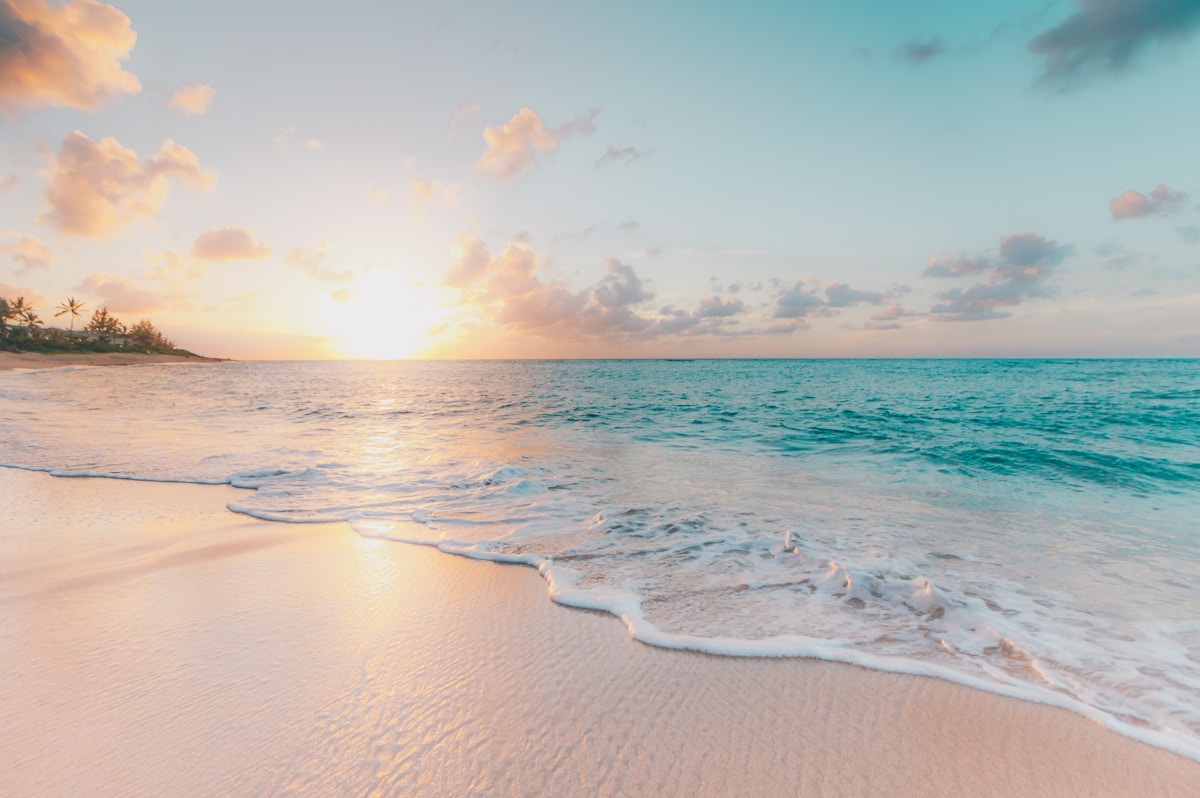
Costa Rica has become one of the most sought-after destinations for international real estate buyers, and for good reason. The country offers political stability, a welcoming attitude toward foreign investors, universal healthcare, and some of the most breathtaking natural landscapes on Earth. From misty cloud forests to pristine Pacific beaches, Costa Rica packs an incredible diversity of ecosystems into a country roughly the size of West Virginia.
For property investors, the numbers tell a compelling story. Tourism arrivals have surpassed 3 million annually, driving strong demand for vacation rentals. The cost of living remains significantly lower than North America or Europe, while the quality of life consistently ranks among the highest in Latin America. The country's commitment to environmental sustainability — with over 25% of its territory protected — ensures that its natural beauty will endure.
Understanding Property Rights for Foreigners
One of Costa Rica's most attractive features for international buyers is that foreigners have the same property rights as Costa Rican citizens. There are no restrictions on foreign ownership of titled property, and you do not need residency or citizenship to buy, sell, or own real estate.
However, there is one important exception: the Maritime Zone. Properties within 200 meters of the high-tide line on both coasts fall under special regulations. The first 50 meters is public land and cannot be owned by anyone. The next 150 meters (the concession zone) can only be leased through a municipal concession, and foreigners must have resided in Costa Rica for at least five years to hold a concession directly. Many buyers work around this by forming a Costa Rican corporation or partnering with a local entity.
The Step-by-Step Buying Process
Step 1: Define Your Goals. Are you buying for personal use, rental income, retirement, or pure investment? Your goals will determine the ideal location, property type, and budget. A beachfront condo in Tamarindo serves a very different purpose than a mountain farm in the Central Valley.
Step 2: Engage a Reputable Agent. Working with a local real estate agent who knows the market is essential. Look for agents with established track records, local knowledge, and references from past clients. At High Grade Real Estate, we guide buyers through every step of the process.
Step 3: Property Search & Due Diligence. Once you've identified properties of interest, your agent will arrange viewings and provide market comparisons. Before making an offer, conduct thorough due diligence: verify the title in the National Registry, confirm there are no liens or encumbrances, check municipal permits, and verify water and utility access.
Step 4: Make an Offer & Sign the Purchase Agreement. Offers in Costa Rica are typically made through a formal purchase agreement (Opción de Compra-Venta) prepared by a notary public. A deposit of 10% is standard. The agreement outlines the price, payment terms, closing date, and any contingencies.
Step 5: Closing. In Costa Rica, all real estate transactions must be formalized by a notary public (notario), who acts as a neutral party. The notary drafts the transfer deed, verifies the title, calculates transfer taxes (approximately 1.5% of the registered value), and registers the new ownership in the National Registry. Closing typically takes 30-60 days from the signed agreement.
Costs to Expect
Beyond the purchase price, budget for these additional costs:
- Transfer Tax: 1.5% of the registered property value
- Legal Fees: 1-1.5% for the notary/attorney
- Stamps & Registration: Approximately 0.5%
- Agent Commission: Typically 5%, paid by the seller
- Annual Property Tax: 0.25% of the registered value
Total closing costs for the buyer typically range from 3-4% of the purchase price.
Tips for a Successful Purchase
Always work with a qualified attorney independent of the seller. Verify water access — in some rural areas, water rights are a critical issue. Visit the property during rainy season if possible to check for flooding or access issues. And don't rush: take time to explore different areas and communities before committing. Costa Rica's regions each have distinct climates, cultures, and price points.
Ready to start your property search? Contact High Grade Real Estate for a free consultation and personalized property recommendations.